
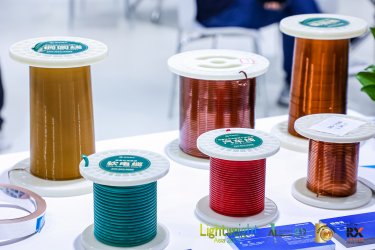
Amid the global energy transition, copper has emerged as a core material for electric vehicles, power grid infrastructure, and other critical sectors. Its strategic significance continues to grow, with every movement closely watched by the global mining market. Recently, the copper industry has experienced a whirlwind of activity—from price volatility and corporate mergers to supply crises and international cooperation—painting a complex and fierce competitive landscape.
Price Volatility: Macroeconomic Factors Drive Short-Term Trends
LME copper prices have attracted widespread attention. Three-month copper fell 1.2% on Friday to $10,613.50 per ton, marking the lowest level since November 5, and registered a weekly decline of 2.2%, the largest since the week of April 4. Intraday lows hit $10,607.50, challenging key technical support levels.
This decline is driven by multiple macroeconomic factors. Delayed U.S. September employment data showed stronger-than-expected job growth, but the unemployment rate rose to a four-year high. These mixed signals reduced market expectations for a Federal Reserve rate cut in December, strengthening the U.S. dollar. A rising dollar makes dollar-denominated metals more expensive for other currency holders, suppressing metal prices. Additionally, tech stock sell-offs have spread a risk-off sentiment to industrial metals, making macro sentiment a key driver of short-term price trends. As a global economic barometer, copper’s softness also signals investor caution about growth prospects.
Europe Faces Supply Shortages
European copper product companies face unprecedented supply challenges. Firms warn that unless the EU restricts scrap copper exports, severe shortages will occur. U.S. high prices have attracted refined copper exports, exacerbating local supply tightness. Since 2022, EU scrap copper exports surged 31%, with roughly half heading to Asia. Industry statements show that signatory companies account for over 90% of Europe’s scrap copper consumption, highlighting the crisis’s scale.
Weiland, a German metal producer executive, noted that Europe risks a shortage of cathode copper next year. A combination of scrap and cathode copper shortages could severely threaten semi-finished product manufacturers. The EU Commission recently announced plans to restrict scrap aluminum exports, setting a precedent that could help alleviate Europe’s copper supply issues.
Corporate Mergers: Giants Compete for Copper Dominance
Amid fierce global competition for copper resources, corporate mergers have intensified. Chile’s state-owned Codelco and India’s Adani Group signed a non-binding agreement on November 21, 2025, to explore copper mining projects in Chile. The deal involves technical and legal information exchange for three potential mines and lays a framework for possible joint development. This collaboration aims to support India’s growing copper demand, driven by energy transition and renewable infrastructure expansion. The partnership also strengthens Codelco’s global strategy and provides Adani a chance to expand its upstream supply chain internationally.
Meanwhile, mining giant BHP has also made headlines, launching a new takeover bid for Anglo American to create the world’s largest copper producer, potentially disrupting Anglo American’s $57 billion merger with Teck Resources. This is BHP’s second attempt within 18 months, reflecting its determination to expand copper holdings.
The bid is motivated by global copper demand. BHP reportedly offered a cash-and-stock deal, but its stock has fallen 20% in two years, affecting competitiveness. Anglo American’s shares have surged 67% since early 2024, raising valuation thresholds. Analysts suggest BHP must offer a substantial premium to convince Anglo American’s board to abandon the Teck merger.
However, the merger battle is challenging. Anglo American and Teck plan to merge adjacent mines in Chile’s Atacama Desert, creating a $60+ billion copper giant with major synergies. Shareholder votes are scheduled for December 9. Bloomberg reported that Anglo American rejected BHP’s new proposal. Earlier this year, BHP attempted a $49 billion acquisition of Anglo American but withdrew after multiple rejections.
China’s Role: Iron Ore Negotiations Highlight Market Influence
China’s interactions with global mining giants also impact copper markets. Annual iron ore contract negotiations with BHP have stalled, escalating trade tensions. The China Mineral Resources Group (CMRG) ordered domestic steel mills and traders to stop buying BHP’s “Jimbo” product, following a September suspension of “Kimberley blended fines.” These measures underscore China’s assertive market position and its influence over global mining.
Outlook: Opportunities and Challenges
The copper industry stands at a pivotal point. Macroeconomic fluctuations, geopolitical tensions, and fierce corporate competition define the market’s complexity. European firms must address supply shortages through policy support and internal strategies. In mergers and acquisitions, global giants continue to vie for dominance, potentially reshaping copper’s market landscape.
For China, securing resource supply and enhancing international market influence through strategic trade and cooperation are essential. With energy transition accelerating, copper demand is expected to grow. Governments and companies must plan ahead to seize opportunities, tackle challenges, and promote sustainable industry development. In this global copper competition, those who anticipate trends will gain a strategic advantage and lead the industry forward.
Source:Changjiang Nonferrous Metals Network