
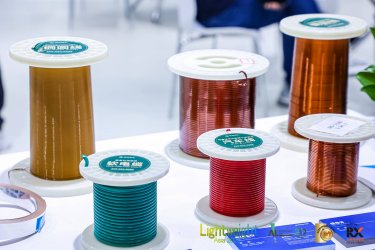
In new energy vehicles (NEVs), copper plays a critical role in batteries, motors, and charging infrastructure. With ongoing technological advancements, copper used in NEVs is expected to evolve toward lighter weight, higher performance, and greater environmental sustainability, presenting both challenges and opportunities. As the NEV market grows rapidly, copper—being a key component—remains indispensable. This article provides an in-depth analysis of copper applications in NEVs and examines future development trends.
1. Copper Applications in New Energy Vehicles
1.1 Battery Systems:
In NEV battery systems, high-purity copper strips and copper busbars are widely used in electrodes, current collectors, and conductive connections. Copper’s excellent electrical conductivity ensures battery efficiency and stability, providing reliable energy support for vehicles.
1.2 Motor Systems:
The motor is the core of NEV propulsion, where enameled copper wire plays a crucial role. Motor windings use copper wire for efficient electromagnetic conversion, driving vehicle operation effectively.
1.3 Electronic Control Systems:
Components such as motor controllers and battery management systems (BMS) require significant amounts of copper for internal conductive parts and connectors. These components must handle high currents and voltages, necessitating materials with superior electrical conductivity and mechanical strength.
1.4 Heat Dissipation Systems:
Electronic control systems generate substantial heat during operation. Copper strips and busbars are commonly used in heat sinks due to their excellent thermal conductivity, ensuring timely heat dissipation and reliable system performance.
1.5 Charging Infrastructure:
As NEV adoption grows, the construction of charging infrastructure is expanding rapidly. Copper busbars and rods are critical in charging stations and chargers, providing reliable conductivity and heat management to support fast charging capabilities.
2. Future Development Trends of Copper in NEVs
2.1 Lightweight Design:
To improve driving range and vehicle performance, lightweight copper components are increasingly important. Advanced materials, processes, and structural designs can reduce copper weight, enhancing NEV efficiency and performance.
2.2 High Performance:
With growing competition in the NEV market, copper materials must meet higher performance standards. Future copper components will require superior electrical conductivity, high-temperature resistance, and corrosion resistance to operate reliably under diverse and extreme conditions.
2.3 Environmental Sustainability:
As global environmental awareness rises, the sustainability of NEVs gains more attention. Copper, as a recyclable metal, aligns with sustainable development principles. With stricter environmental regulations and technological upgrades in NEVs, the ecological performance of copper materials will become increasingly significant.
Conclusion:
Copper plays a pivotal role in NEV batteries, motors, and charging infrastructure. As technology advances and markets evolve, copper materials are set to become lighter, higher-performing, and more environmentally friendly. Facing a market full of both opportunities and challenges, the copper processing industry must continue innovating to provide robust support for the development of new energy vehicles.
Source: Jintian Copper (Group) Co., Ltd.